Articles

Top Economist Speakers – IMF Annual Meetings

The 2026 IMF and World Bank Annual Meetings in Bangkok, the first hosted by Thailand since 1991, come at a pivotal moment for the global economy, and for the top economist speakers advising business on what comes next.

IMF Blog Thumbnail

The 2026 IMF and World Bank Annual Meetings in Bangkok, the first hosted by Thailand since 1991, come at a pivotal moment for the global economy, and for the top economist speakers advising business on what comes next. The IMF’s own assessment is that the economy has proved resilient but remains under strain.

The IMF forecast global growth of 3.0% this year, below the 3.5% average of the past two years, while inflation is projected to rise to 4.7%. World trade growth is expected to slow from 5% to 3.5%, as energy shocks reshape costs and trade fragments into rival blocs.

Asia, meanwhile, is pulling ahead as the engine of global growth. China is forecast to grow 4.6% and India 6.4%, while the euro area stalls at 0.9% and investors watch for a possible correction in AI valuations.

For leaders, the challenge is planning for an economy where the risks are as real as the opportunities. From former IMF and World Bank chief economists to leading voices on China and global markets, these are the Top Economist Speakers helping organisations make sense of it.

Note from LSB team:

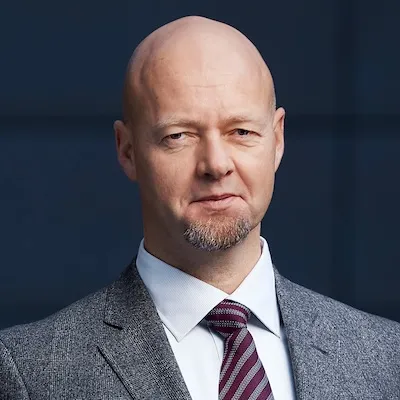
Yngve Slyngstad is the former CEO of Norway's $2tn sovereign wealth fund, the world's largest single owner of listed companies.

He led the fund for over a decade, steering it through the financial crisis and the long bull market that followed.

Now at Aker Asset Management, he offers rare insight into how the world's biggest investors think about risk, global markets and patient, long-term capital.

Note from LSB team:

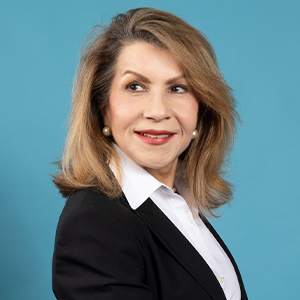
Carmen Reinhart is a Harvard professor who was Chief Economist of the World Bank and a Senior Policy Advisor and Deputy Director at the IMF.

She is a leading authority on financial crises and sovereign debt, best known for This Time Is Different, her landmark work with Kenneth Rogoff tracing eight centuries of financial crises.

With public debt high and borrowing costs elevated, her insights into how debt cycles unfold, and how they end, are especially timely.

Note from LSB team:

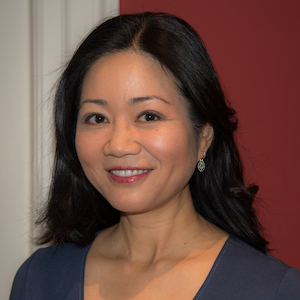
Linda Yueh is an Oxford economist and former Economics Editor at Bloomberg, with a career that also includes reporting for the BBC.

She is the author of books on the history of economic thought and on China's rise as an economic superpower.

She brings a clear, accessible perspective on global growth, trade and the biggest shifts in the world economy, and on what they mean for business leaders.

Note from LSB team:

James Kynge is the former Global China Editor at the Financial Times and a bestselling author. His reporting from China began in the 1980s, and his book China Shakes the World became a widely read account of the country's rise.

He is a sharp analyst of China's economic ambitions, its growing technological power and how both are changing global supply chains and competition.

Note from LSB team:

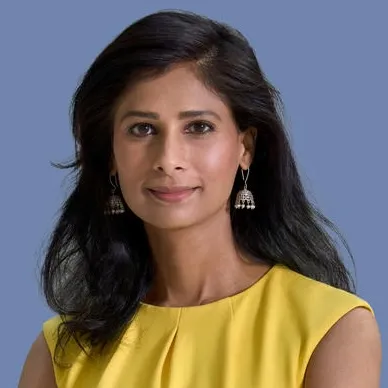
Gita Gopinath is a Harvard economist and former First Deputy Managing Director of the IMF, where she was one of the most senior voices shaping the institution's response to global shocks. She previously served as the Fund's Chief Economist.

Her research on exchange rates, trade and monetary policy makes her especially well placed to explain how tariffs, currency swings and diverging central bank decisions are reshaping the outlook.

Note from LSB team:

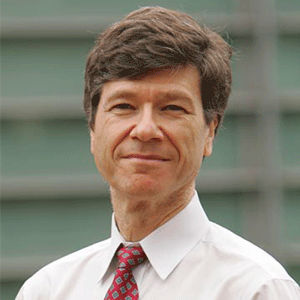
Jeffrey Sachs is a world-renowned economist and Columbia University professor who has advised governments and several UN Secretaries-General.

He is the author of The End of Poverty and leads the UN Sustainable Development Solutions Network.

A leading voice on sustainable development, poverty reduction and global debt, he brings a big-picture view of how the global economy can grow more fairly.

Note from LSB team:

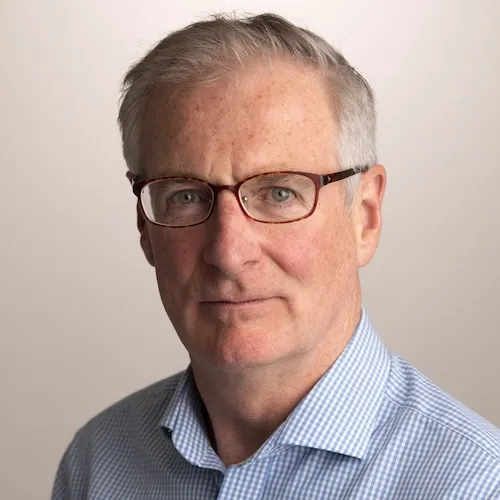
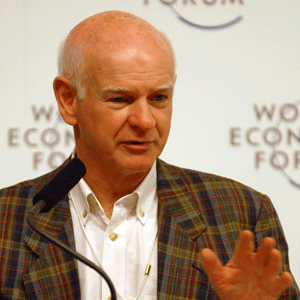
Sir Howard Davies has held some of the most senior roles in British finance. He chaired NatWest Group from 2015 to 2024 and was the first Chairman of the Financial Services Authority.

He has also served as Deputy Governor of the Bank of England and Director of the London School of Economics.

He speaks with rare authority on financial regulation, banking and global markets, and on how to balance stability with growth.

Note from LSB team:

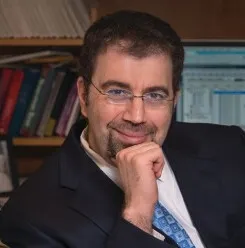
Daron Acemoğlu is a 2024 Nobel laureate in Economics and an MIT professor.

The prize recognised his work with Simon Johnson and James Robinson on how institutions shape national prosperity. He is the author of the bestseller Why Nations Fail, and of Power and Progress, which examines who benefits from technological change.

He is a leading voice on growth and on technology's impact on the world's future, including the debate over AI.

Note from LSB team:

Michael Pettis is a finance professor at Peking University and a leading voice on China's economy and trade.

He has spent decades as both an academic and a Wall Street trader, and is known for his analysis of China's debt-heavy, investment-led model and global trade imbalances.

He explains why rebalancing the Chinese economy matters for every economy connected to it.

Note from LSB team:

David Rennie is Geopolitics Editor at The Economist.

He has reported from Washington and Beijing, where he wrote the newspaper's Chaguan column on China.

He is an expert on US-China relations and the forces reshaping global power, helping audiences understand how rivalry between the two superpowers translates into risk and opportunity for business.